Get a Custom Quote!
Full-flow OEM & ODM from grey cloth to finished garment.
22,100 sqm facility. 2.65M pcs annual capacity.
Reply within 24 hours.
I consent to the processing of personal data and agree with the Privacy Policy.


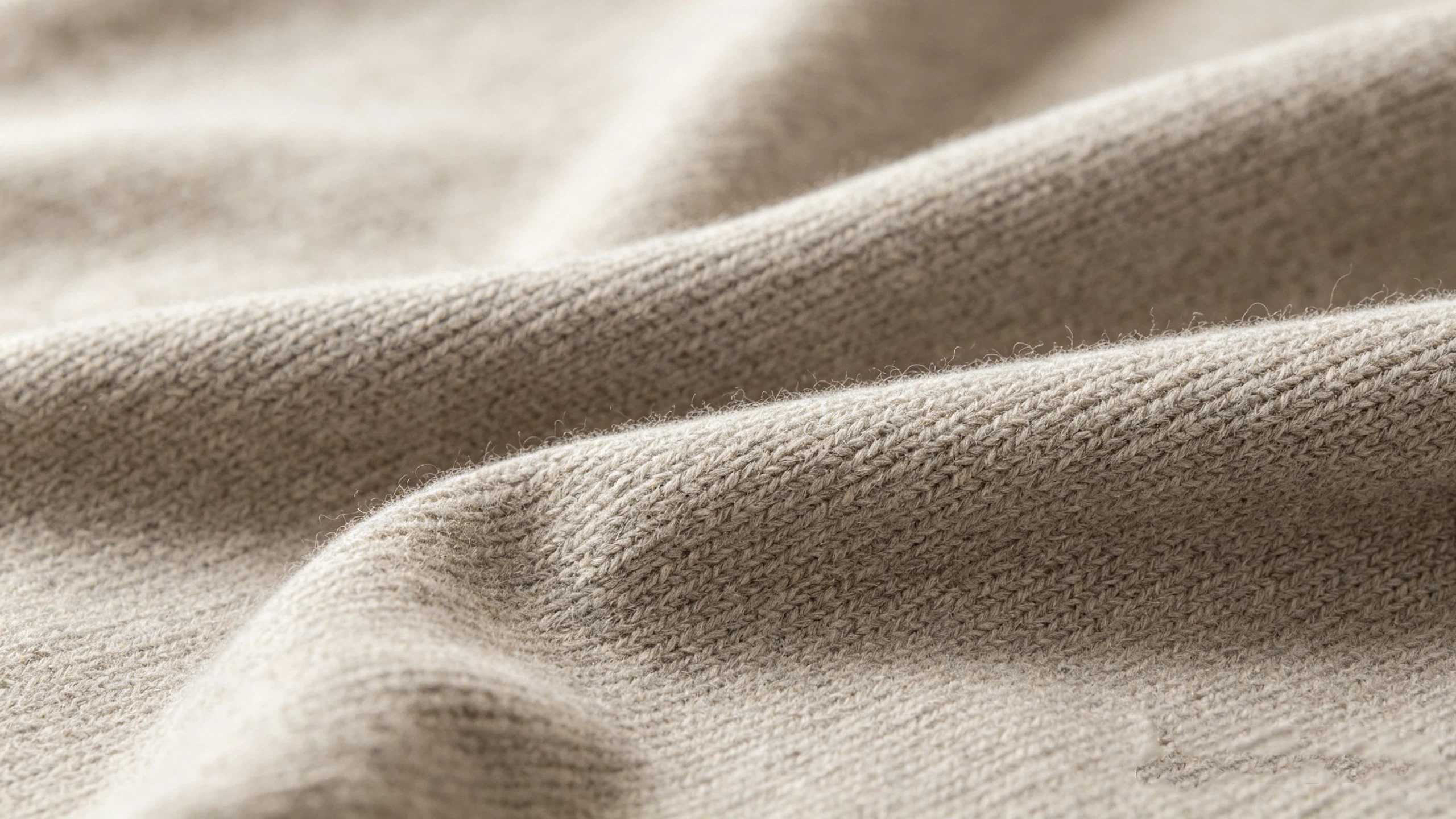
Before color, before pattern, before the first stitch — there is grey cloth. To the uninitiated, the term sounds unfinished, even unappealing. But in the garment industry, grey cloth is the raw canvas from which everything else is made. Understanding what grey cloth is, and why its processing matters, is essential for anyone involved in apparel sourcing, design, or manufacturing.
Grey cloth, also known as greige fabric, is woven or knitted fabric that has not yet been dyed, printed, or finished. It arrives at the factory in large rolls, usually off-white or natural in color, with the structural integrity of the final garment but none of its surface characteristics. This is the starting point for Tai’an Liyuan and for any manufacturer that controls its supply chain from the ground up.
Grey cloth processing encompasses several preparatory steps. First, the fabric is inspected for defects. Even minor issues in the raw material — a thin spot in a knit, a misaligned thread in a weave — can become major problems in the finished garment. Our inspection team evaluates every roll before it enters production, documenting flaws and mapping them so that defective sections can be avoided during cutting.
Next, the fabric may undergo pre-shrinking or heat-setting, depending on the fiber content. Cotton knits, for example, are prone to shrinkage during the first wash. Pre-shrinking the grey cloth stabilizes the dimensions before cutting, so that the finished garment maintains its size after the end consumer washes it. Synthetic blends may require heat-setting to lock in the knit structure and prevent distortion during sewing and wear.
For certain orders, grey cloth processing also includes preliminary treatments such as singeing, which removes surface fuzz from woven fabrics, or mercerization, which strengthens cotton fibers and increases their luster. These treatments are not always visible in the final product, but they affect how the fabric feels, how it dyes, and how it wears over time.
Why does this matter to buyers? Because grey cloth processing is where quality control truly begins. A factory that skips or rushes these steps may deliver garments that shrink unexpectedly, fade prematurely, or fail to meet hand-feel expectations. By maintaining in-house grey cloth processing capability, Tai’an Liyuan ensures that the foundation of every order is solid before a single pattern is laid on the cutting table.
This capability also gives us flexibility. We can work with a wider range of fabric suppliers because we have the technical knowledge to evaluate and process their materials. We can advise clients on fiber choices, weight specifications, and finish options based on how the grey cloth behaves in our facility. And we can troubleshoot issues at the source rather than discovering them after garments are already sewn.
For brands that care about consistency — and every brand should — grey cloth processing is not a detail. It is the first line of defense against quality failures. At Tai’an Liyuan, we treat it with the seriousness it deserves.